

You do not need to tick every box. If even two or three of these feel familiar, a consultation can help you understand exactly what your options are.



Dr. Jay Patel
Lead Orthopaedic & Robotic Joint Replacement Surgeon, Bapashri Hospital
25+
1,000+
98%
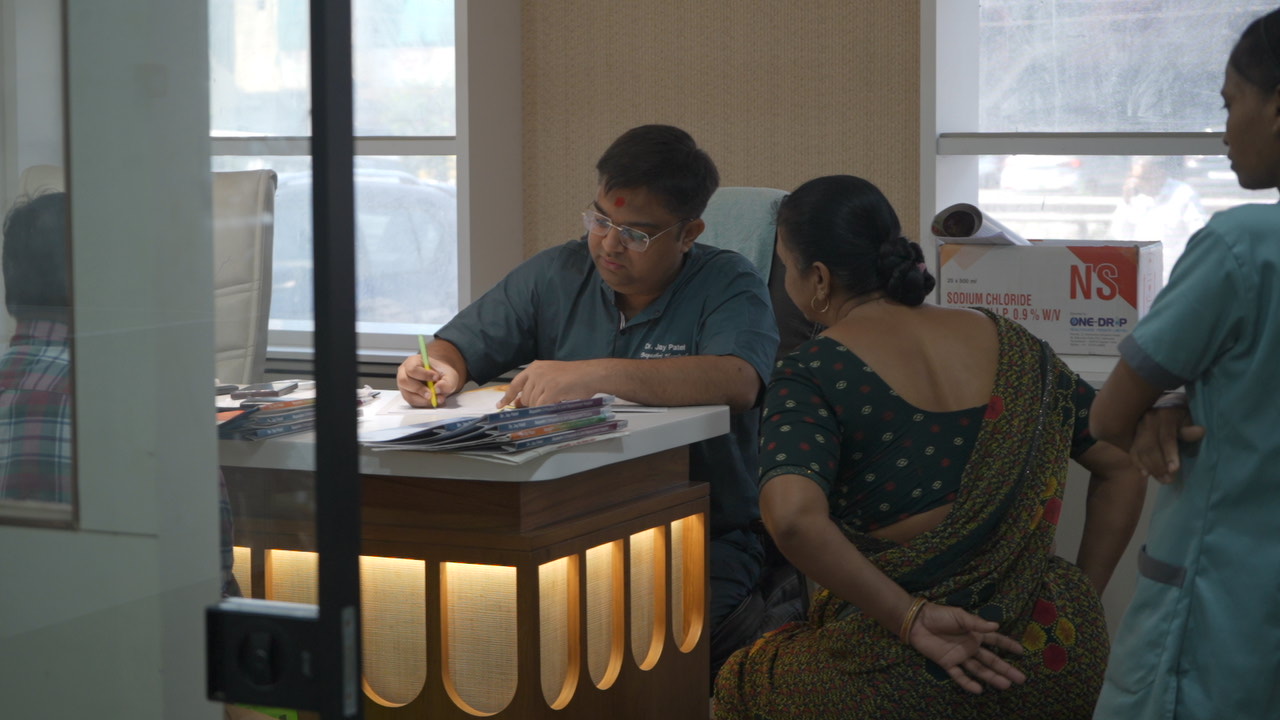
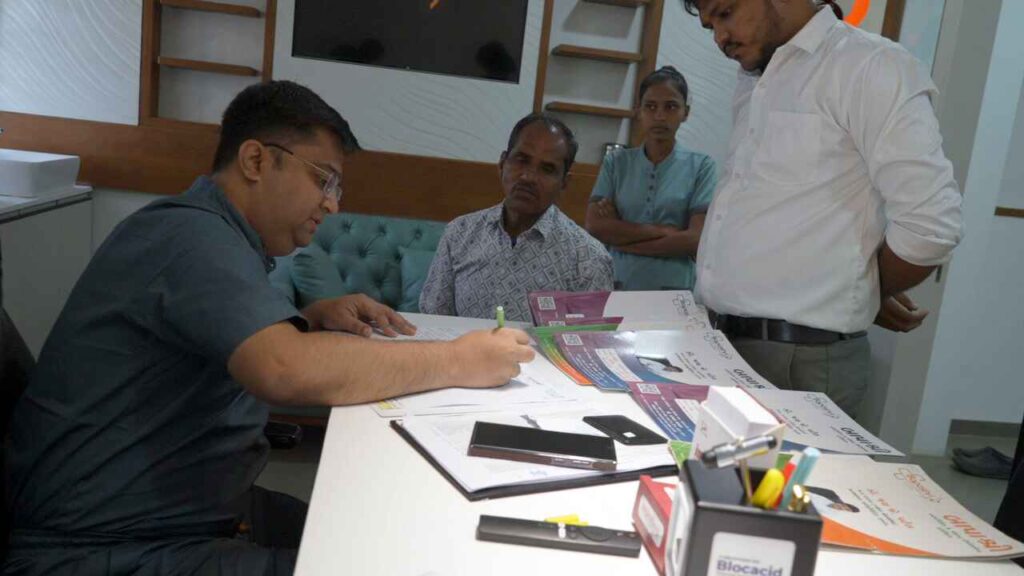
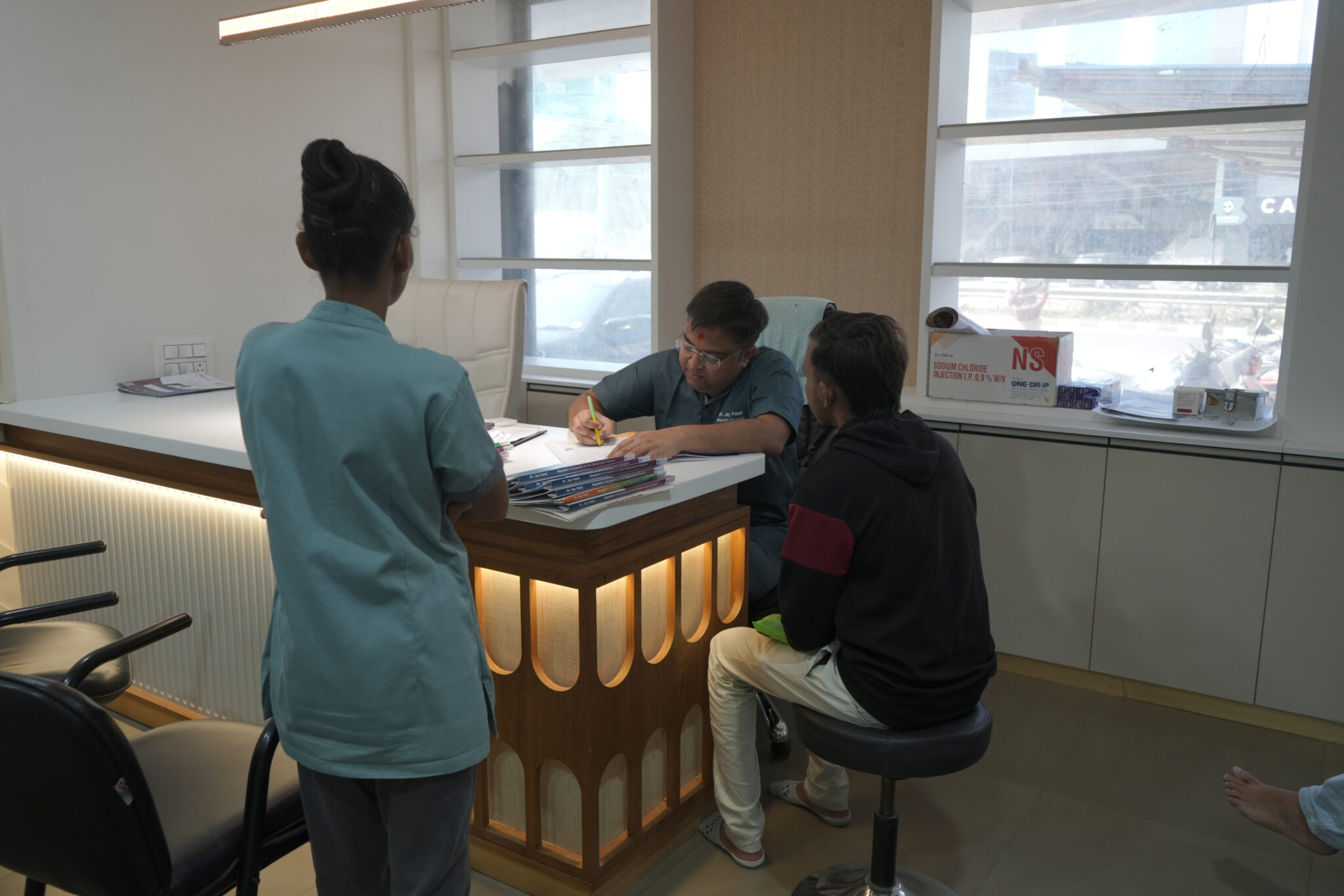
You sit with Dr. Jay Patel. He listens, reviews your reports, and explains your condition in plain words with zero pressure to decide anything on the spot.

All blood work, imaging, and health checks are taken care of by Bapashri Hospital, so you do not need to run to different labs.

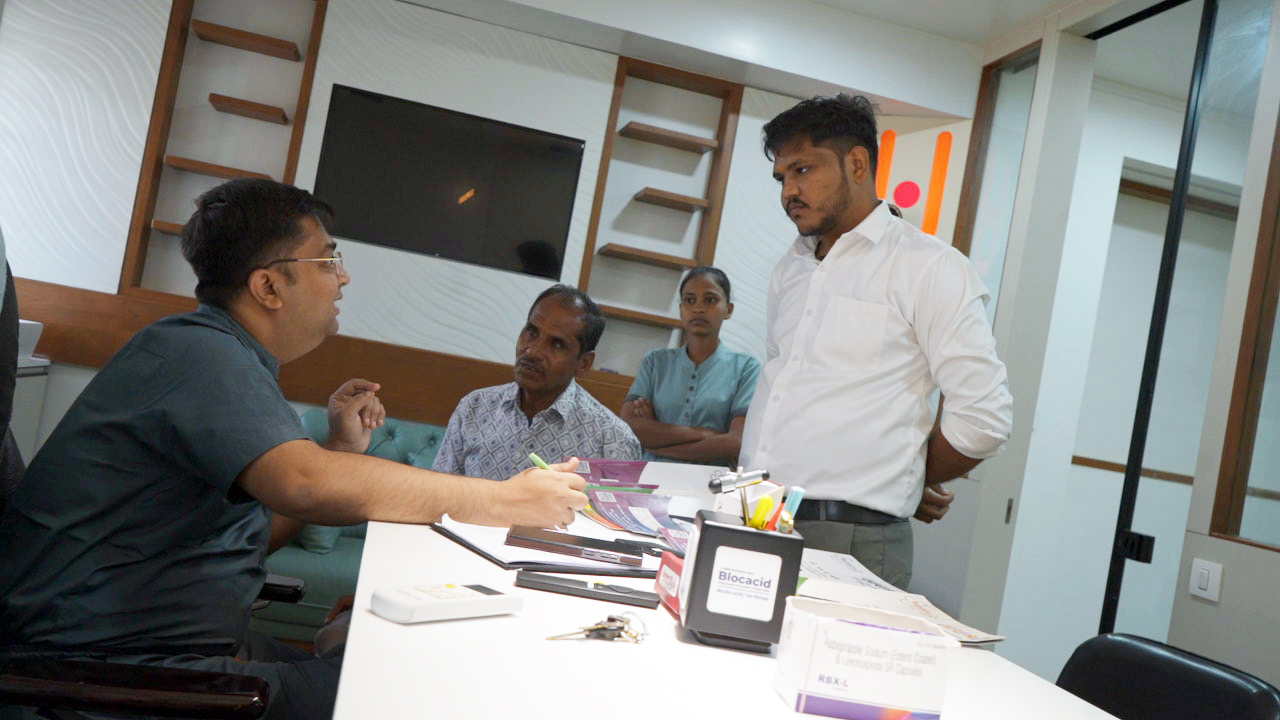
Before surgery day, you meet our anaesthesia specialist. They explain what to expect, so surgery day holds no surprises.
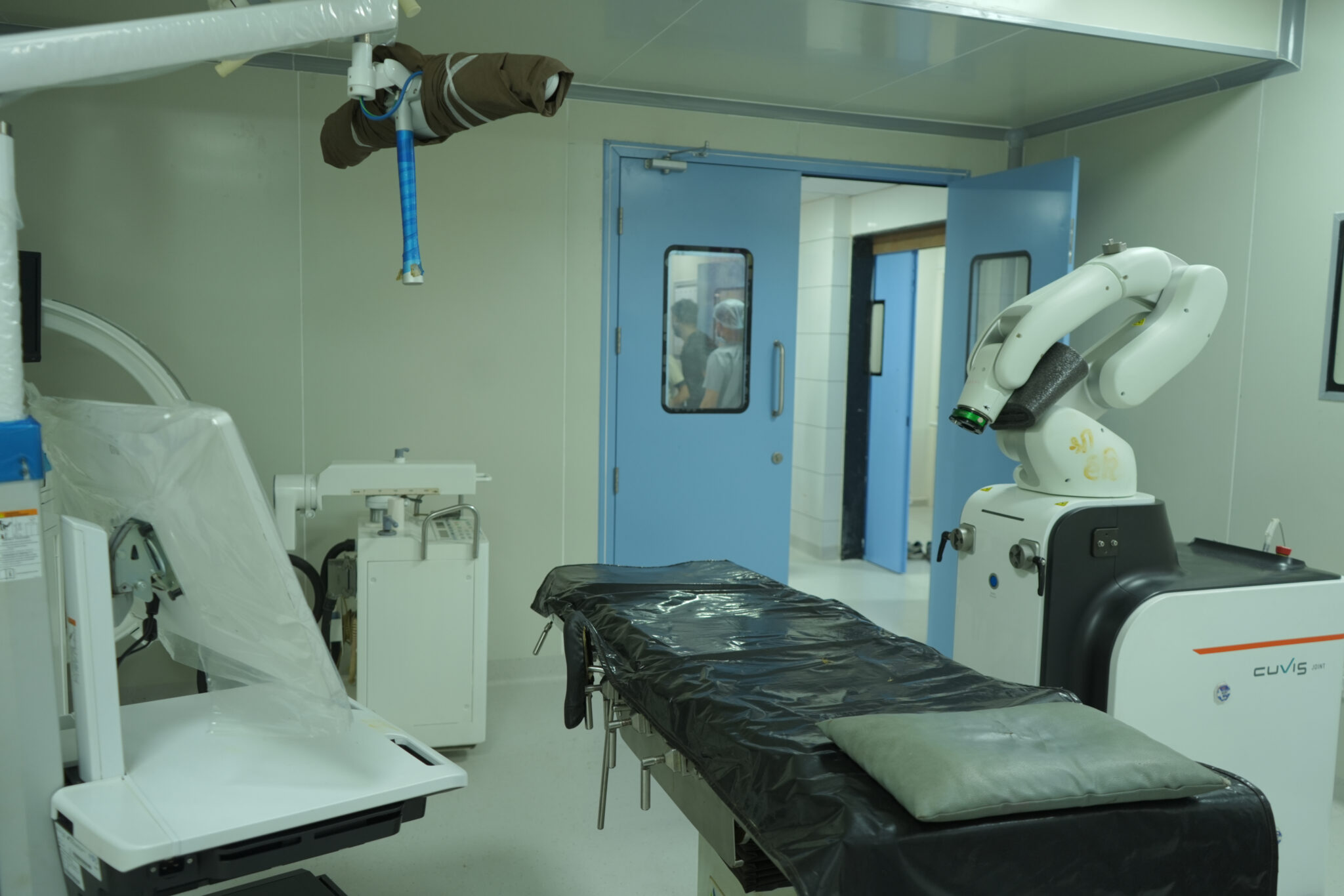
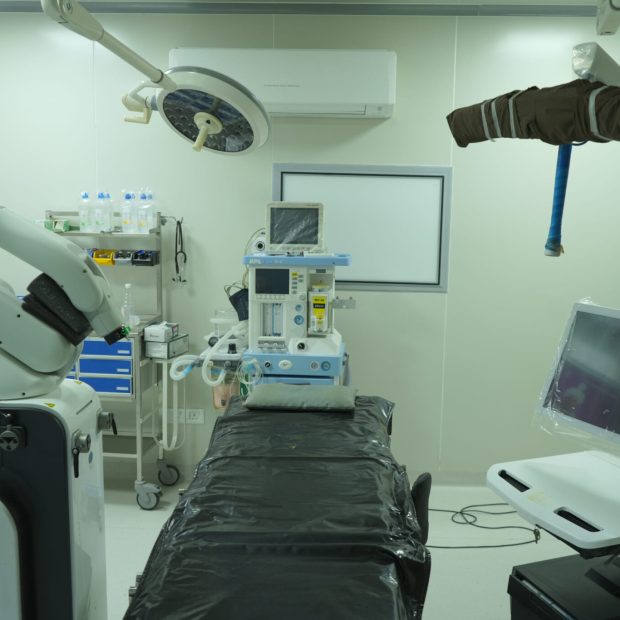
Dr. Patel performs your robotic knee replacement in our modular OT. Precise. Controlled. Typically done in 60 to 90 minutes, with your family staying nearby throughout.
You wake up with our nursing team beside you. Pain is carefully managed.
Most patients go home within 3 to 5 days, walking with support and already feeling the difference.
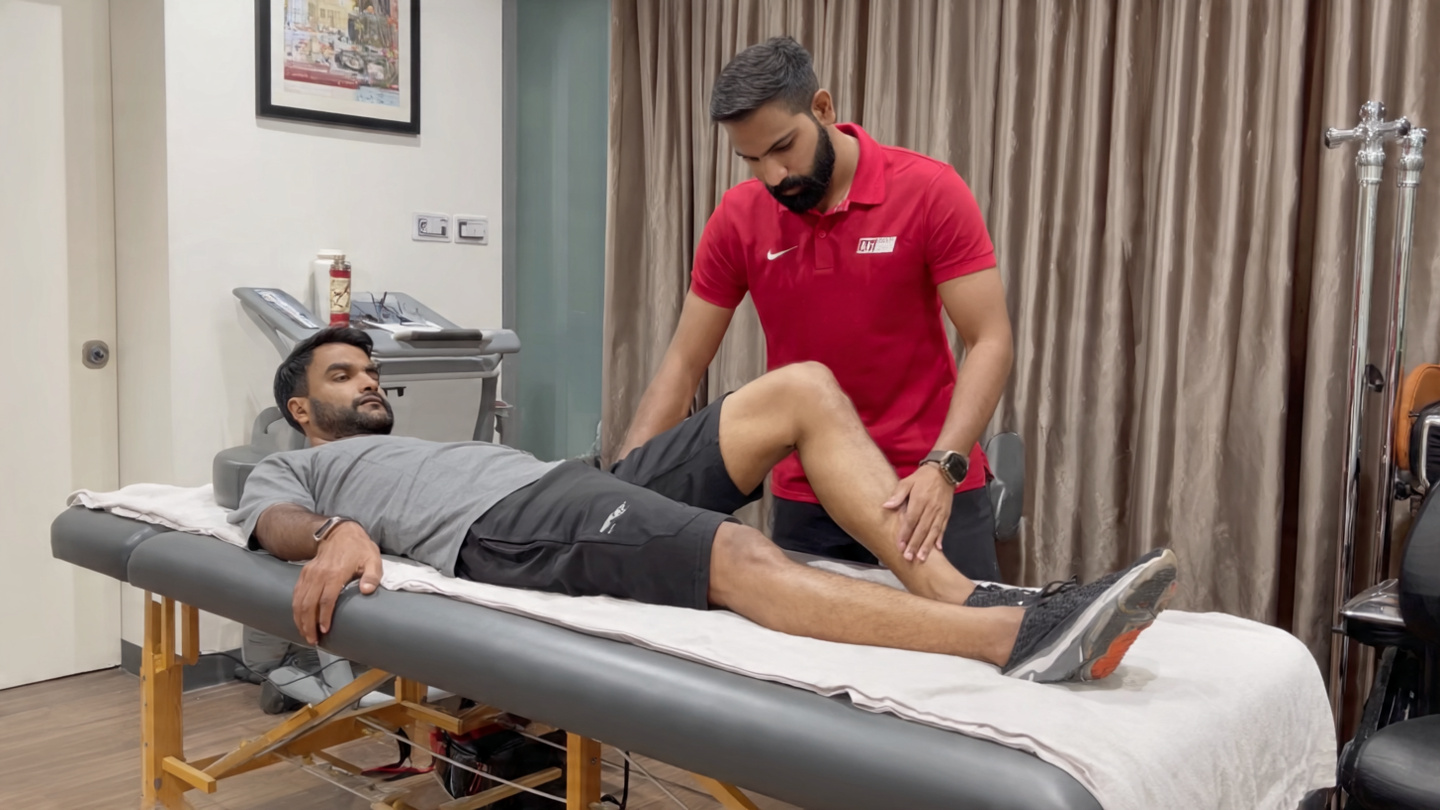
Our in-house physio team rebuilds your strength week by week. Most patients are climbing stairs within 4 to 6 weeks.

Even after discharge, if you feel something unexpected or just need reassurance — call us any time.