


It’s always safer to get checked early than to ignore these signs and risk complications later.
Immediate Care for Road Accidents & Critical Injuries
Bapashri Hospital offers complete accident and critical care services for severe injuries and emergency situations. With timely treatment and close monitoring, we focus on stabilizing patients and preventing complications.
Trusted by 4,379+ patients across
Lunawada & Central Gujarat

What Happens After an Accident & Why Immediate Care Matters
After an accident, injuries may not always be clearly visible but can worsen quickly without proper care. Internal bleeding, fractures, head injuries, or shock can develop within minutes or hours. In some cases, early first aid and treatment can prevent complications and speed up recovery, while delays can lead to serious health risks.
At Bapashri Hospital, we are prepared to respond quickly with immediate care for accidents and critical cases. We also offer ambulance support to help patients reach the hospital safely and without delay, ensuring care starts as early as possible.
- Quick response to accident cases
- Ambulance support for fast transport
- Timely diagnosis and treatment start
- Continuous monitoring for safe recovery
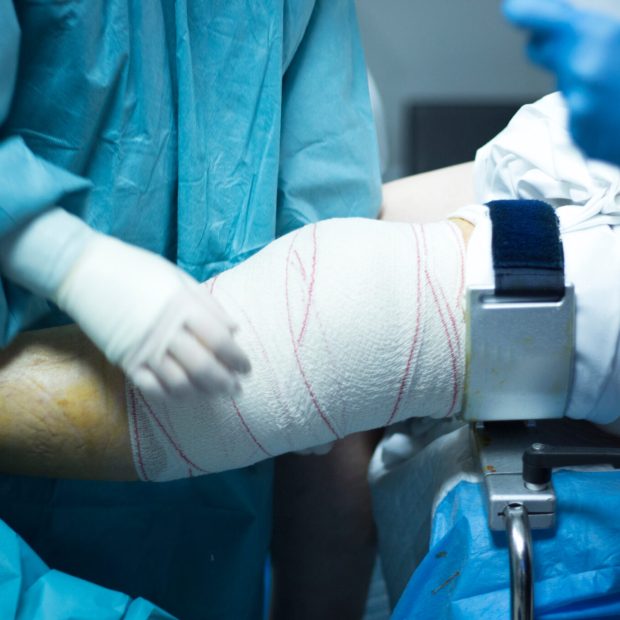
What to Expect During Accident & Critical Care Treatment
From first response to follow-up care, every step is planned to ensure quick treatment and safe recovery.
1
From the moment we receive your call, our team arranges ambulance support if needed and prepares for your arrival, ensuring immediate attention.
2
On arrival, our emergency team quickly assesses your condition, checks vital signs, and understands the nature of the injury to prioritise immediate care and stabilise the patient.
3
Necessary diagnostic tests like X-rays or scans are done to identify internal injuries, fractures, or complications and guide the right treatment approach.
4
Based on the diagnosis, our specialists create a clear treatment plan and begin immediate care, including stabilisation, medication, or surgical intervention, depending on the severity of the condition.
5
After treatment, the patient is closely monitored to manage pain, track recovery, and prevent complications, ensuring stability before moving towards discharge and rehabilitation.
6
Even after discharge, we continue with follow-ups, recovery guidance, and support to ensure proper healing and help the patient return safely to normal daily life.
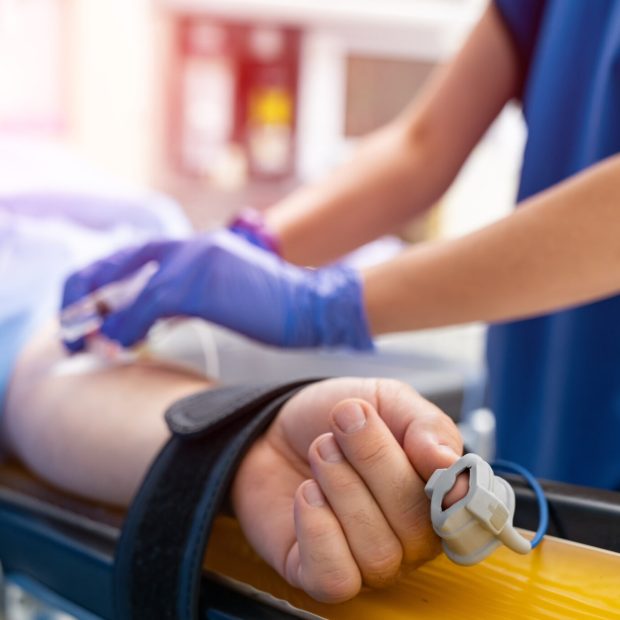
In Critical Moments, Care Should Be Fast, Clear, and Reliable
At Bapashri Hospital, accident and critical care are managed through a structured approach that focuses on quick prioritisation, continuous monitoring, and timely shift to surgery or ICU care when required.
- Road traffic accidents with visible injuries or suspected internal damage.
- Falls leading to head injury or multiple body injuries at once.
- Severe fractures with swelling, intense pain, or active bleeding.
- Loss of consciousness, dizziness, confusion, or delayed response after injury.
Small Signs After an Accident Can Mean More
Continuous pain or swelling that does not reduce even after rest or basic first aid.
Numbness, tingling, or weakness in any part of the body after injury.
Difficulty in moving a limb, standing, or putting weight after an injury.
Dizziness, confusion, or feeling faint after a fall or accident.
Pain or discomfort that continues even after using tablets, sprays, or ointments.
Bleeding that does not stop or increases over time.

Dr. Jay Patel
Lead Orthopaedic & Robotic Joint Replacement Surgeon, Bapashri Hospital
When Every Decision Matters, an Experienced Surgeon Leads the Care
Dr. Jay Patel is a highly experienced orthopedic and trauma specialist known for managing accident injuries and critical cases with precision and care. In emergencies, his focus is on quick decision-making, accurate diagnosis, and starting the right treatment without delay to stabilise patients and ensure safe recovery.
25+
Years Experience
1,000+
Surgeries Done
98%
Satisfaction Rate
Your Complete Treatment Journey for Accident & Critical Care
A clear step-by-step approach to manage your injury, start the right treatment quickly, and support safe recovery.
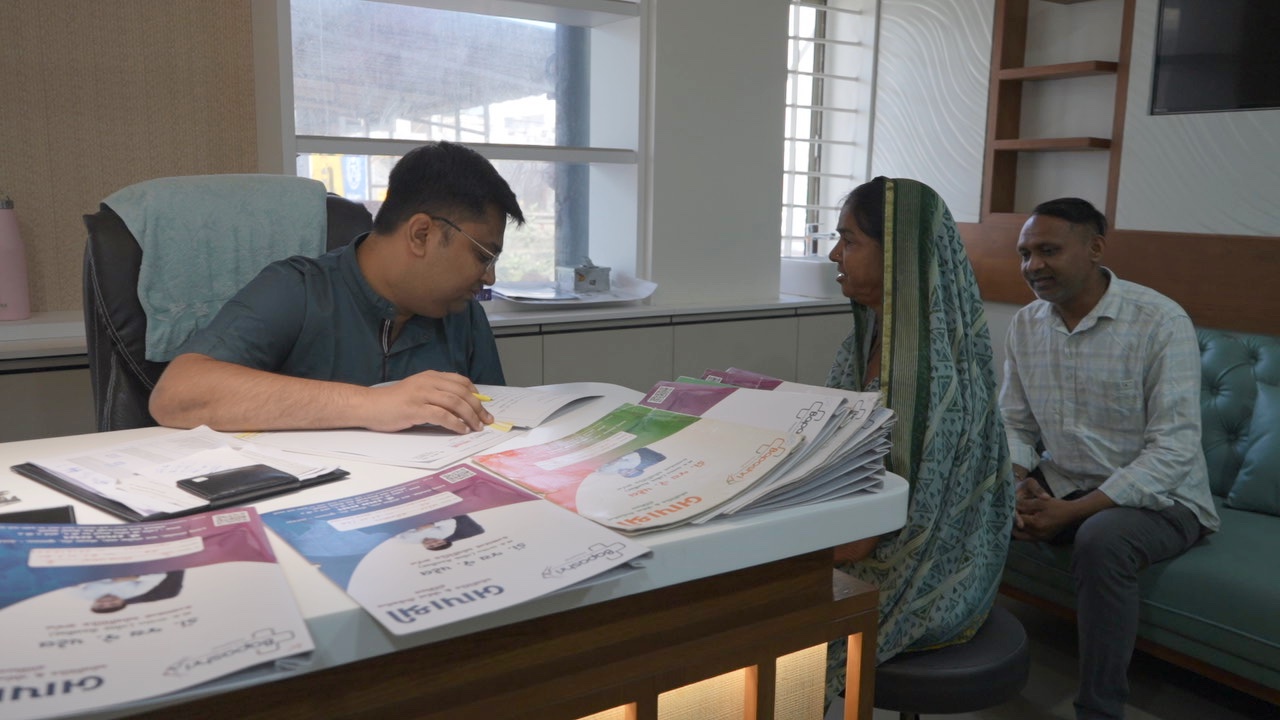
Initial Consultation
We quickly understand the injury, check your condition, and assess urgency to ensure immediate attention without delay.

Accurate Diagnosis
X-rays or scans are done on priority to identify internal injuries, fractures, or complications clearly.

Treatment Plan
A clear plan is created based on your condition and explained simply to you and your family.

Procedure or Stabilisation
Immediate care is started, including first aid, stabilisation, or surgery if required to control the condition.

Rehabilitation
Guided recovery support helps restore movement, strength, and overall stability after treatment.
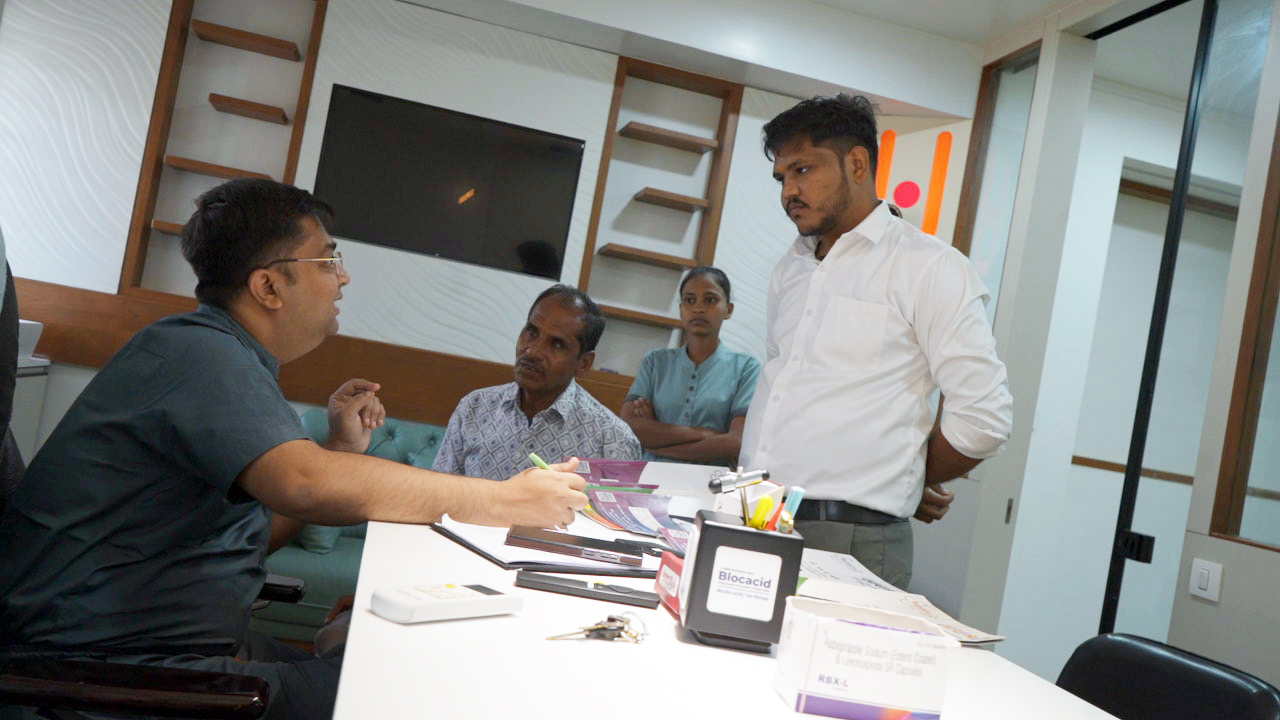
Follow-Ups
Regular check-ups and monitoring ensure proper healing and help prevent future complications.
They Were Afraid Too.
Here Is What Happened After.
My father, Shri Dayabhai Patel, had a robotic replacement done at Bapashri Hospital in April. This was our operation here at Bapa Shri Hospital with the help of the latest technology. Due to the operation using a robot, my father is not facing any problem in walking today. My father is not facing any problem in bending his knees at the moment. My father can walk comfortably and work without any problem. For this, I will always be grateful to Dr. Jay Patel of Bapa Shri Hospital and his staff. I will tell everyone around me that if the replacement...
kalpesh Patel
My sister had been having a lot of pain in her knee for many years. First, I showed it to the doctors. The doctors said that both joints were very worn out. There was a great need to replace both joints. After that, we met Dr. Jay Patel at Bapa Shri Hospital. He explained the operation and explained it very well, so you don't have to worry. After getting the knee replaced, there will be no problem. We were afraid that after the knee operation, we would not be able to walk or sit properly, but Dr. Jay Patel turned...
Subhash Shah
I was suffering from back pain for a year. My back pain had been going on for a long time. The doctor here, Jay Patel, explained and treated me so easily that I got relief. To be honest, the doctor really felt like a family man. He explained for more than a day. There was no rush, and he gave me the previous appointment for every visit. The hospital also felt clean and comfortable like a home. The staff was very helpful. There was no fear, no stress. The medicine, test, and physiotherapy services were also provided on time and...
Ravaltinabhai Tinabhai
I am a native of Kothamba village. At the age of 75, God had given me a stroke due to sleep deprivation. I had no hope that I would survive. My hip was fractured. I met Dr. Jay Patel at Bapa Shri Hospital. He gave me confidence. He gave me confidence like a son. Don't worry, Aunty, you will walk soon. My operation was completed very well, and today I am very grateful to the doctor.
Kaushal Patel
My mother-in-law, who lives in Balasinor, Mahisagar district, advised me to undergo surgery due to wear and tear. Dr. Jay Patel replaced both my legs and both my knees, so I have been walking like before since the next day. So I am very grateful to Dr. Jay Patel of Bapa Shri Hospital.
Paresh Basrani
My mother-in-law, who lives in Balasinor, Mahisagar district, advised me to undergo surgery due to wear and tear. Dr. Jay Patel replaced both my legs and both my knees, so I have been walking like before since the next day. So I am very grateful to Dr. Jay Patel of Bapa Shri Hospital.
Paresh Basrani

Cost Should Never Be the Reason You Keep Putting This Off
We understand that money is one of the biggest reasons patients delay seeking care. At Bapashri Hospital, we believe in being completely upfront, so there are no surprises and no reason to hesitate.
- Full treatment costs are explained during your consultation
- No hidden charges. What is quoted is what you pay
- We offer insurance & TPA too, which could be handled by our team
- Most major insurance providers and government health schemes are accepted
- Payment guidance available for families who need help planning the cost
The most accurate cost estimate comes after your first consultation, where everything is laid out clearly, honestly, and without pressure.
Common Questions About Accident & Critical Care Treatment

When should I go to a hospital after an accident or injury?
If there is pain, swelling, bleeding, or difficulty in movement, it is better to visit a hospital immediately instead of waiting.
Can I wait if the pain reduces after taking a tablet or applying an ointment?
Temporary relief does not mean the injury is healed; internal damage can still be present and should be checked by a doctor.
What should I do immediately after a road accident or serious fall?
Avoid movement, keep the injured area stable, and reach the nearest hospital as soon as possible for proper evaluation.
Do all fractures or injuries need surgery in emergency cases?
No, many injuries can be treated without surgery; the doctor decides based on the severity and type of injury.
How is an accident or trauma injury diagnosed in the hospital?
Doctors use physical examination along with X-rays or scans to understand the exact injury and plan treatment.
Is ambulance service available for accidents and critical care?
Yes, ambulance support helps in safely bringing the patient to the hospital without delay in starting treatment.
How can I find the right hospital for accident and emergency care near me?
Look for a hospital that offers quick response, proper diagnosis, and complete care from emergency to recovery.

Get Immediate Accident & Critical Care Now
Don’t delay treatment; quick medical care can prevent serious complications and save recovery time.